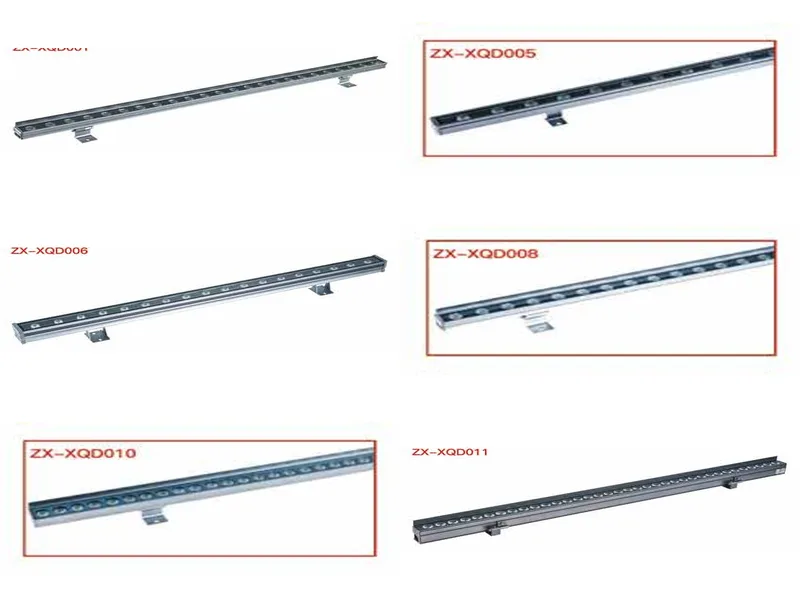
LED Wall Washer
LED Wall Washer series, 19 models for architectural facade, landscape, and outdoor lighting applications.
ZX-XQD002 series 15 models
View All Models 8 product series, 100+ models for architectural facades, landscape features, and outdoor spaces. IP65/IP68 rated, stainless steel and aluminum construction. Click to view all models in each series.
LED Wall Washer series, 19 models for architectural facade, landscape, and outdoor lighting applications.
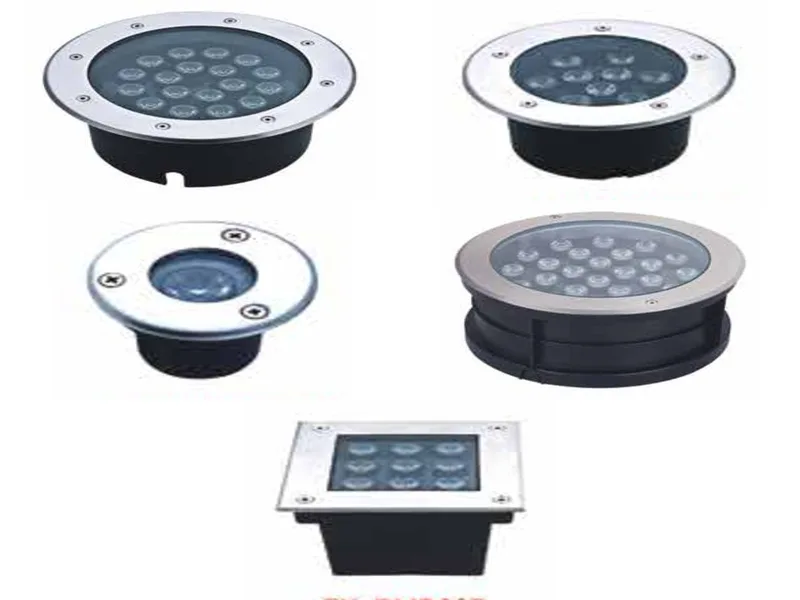
LED In-ground Light series, 5 models for architectural facade, landscape, and outdoor lighting applications.
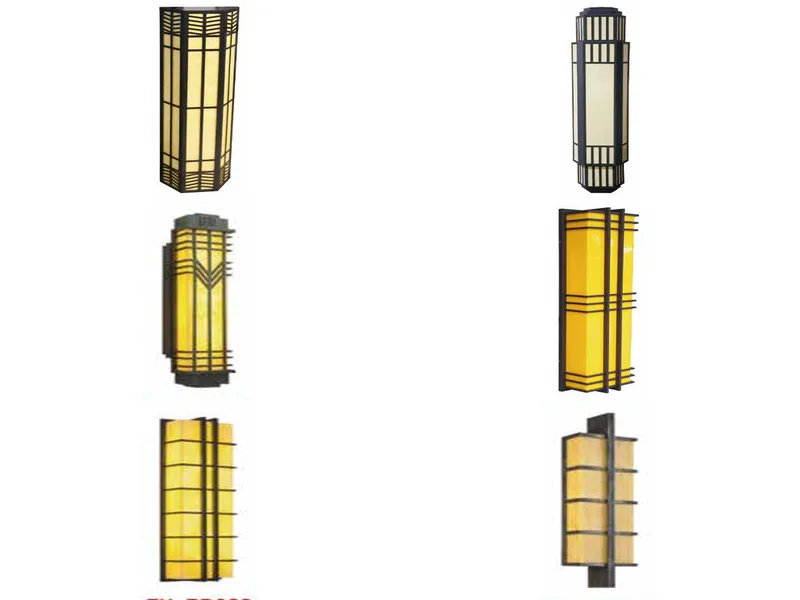
LED Wall Light series, 12 models for architectural facade, landscape, and outdoor lighting applications.
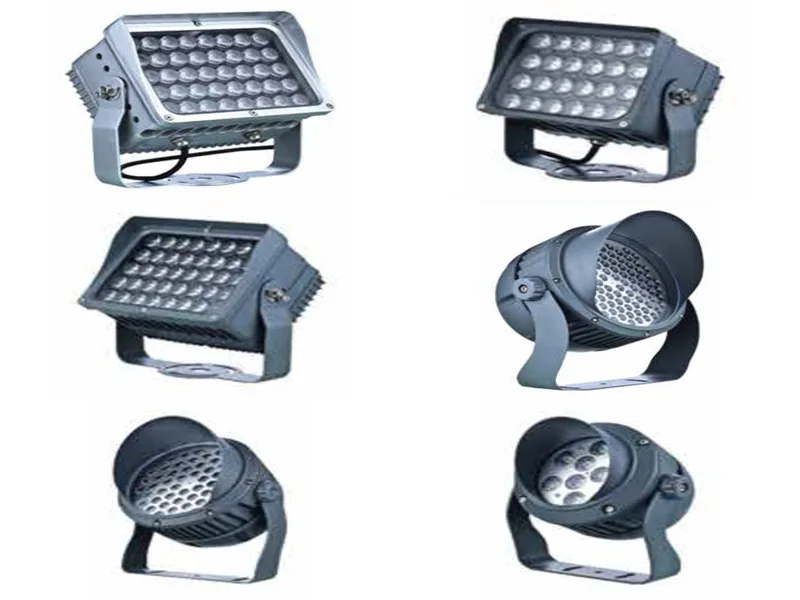
LED Flood Light series, 12 models for architectural facade, landscape, and outdoor lighting applications.
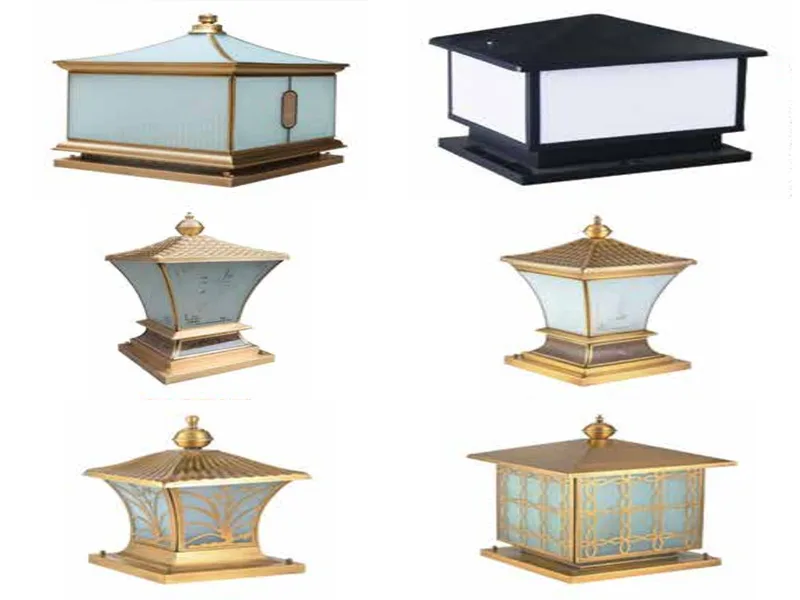
LED Bollard Light series, 17 models for architectural facade, landscape, and outdoor lighting applications.
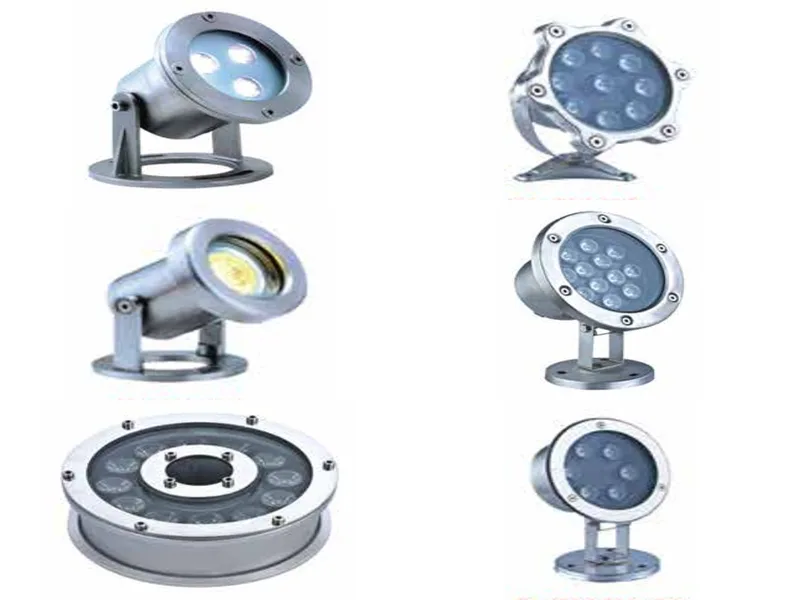
LED Underwater Light series, 7 models for architectural facade, landscape, and outdoor lighting applications.
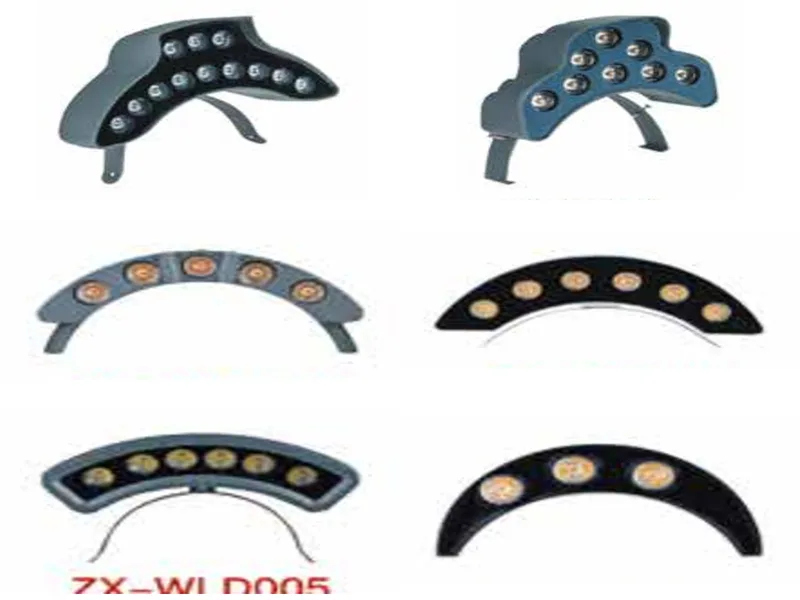
LED Tile Light series, 7 models for architectural facade, landscape, and outdoor lighting applications.
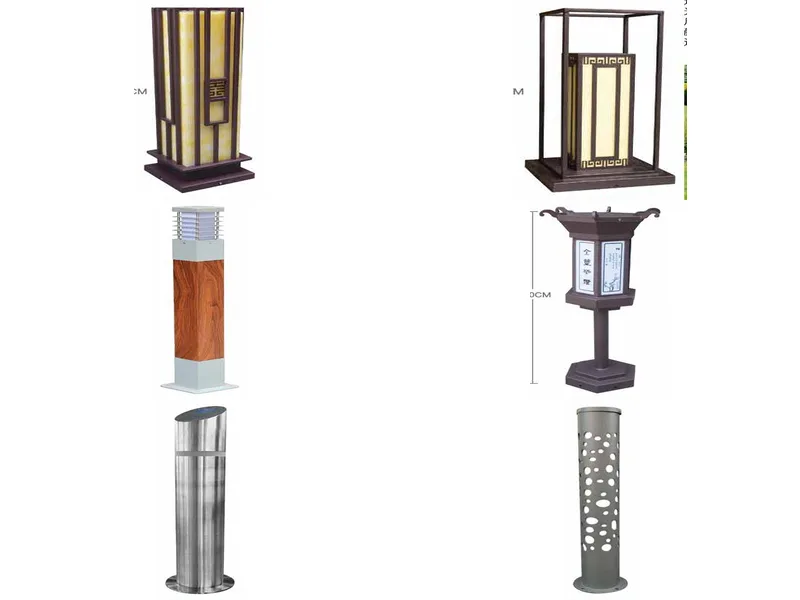
LED Lawn Light series, 21 models for architectural facade, landscape, and outdoor lighting applications.
Practical guidance for choosing the right fixtures and ensuring lasting outdoor performance.
IP65 · IP67 · IP68 — understanding what each rating means in practice
Choosing the correct IP rating is the single most important specification decision for outdoor landscape lighting. IP65 means the fixture is dust-tight and protected against low-pressure water jets from any direction — this is the minimum recommended rating for wall washers, flood lights, bollard lights, and lawn lights that are exposed to rain and hose-down cleaning. IP67 adds protection against temporary immersion in water up to 1 meter depth for 30 minutes — suitable for in-ground lights installed in areas that may experience temporary pooling or flooding. IP68 means the fixture is rated for continuous submersion beyond 1 meter, as specified by the manufacturer — this is required for underwater lights in ponds, fountains, and swimming pools, and is also recommended for in-ground lights in consistently wet locations. Using a fixture with too low an IP rating in a demanding environment will lead to premature failure from moisture ingress, while over-specifying the IP rating adds unnecessary cost. Our team can help you match the right protection level to each fixture location in your project.
304 stainless · 316 stainless · Die-cast aluminum · When to choose each
304 stainless steel offers good general corrosion resistance and is suitable for most inland and urban applications. It is the most commonly specified material for bollard lights, in-ground lights, and wall lights in normal outdoor environments. 316 stainless steel contains molybdenum, providing significantly better resistance to chloride corrosion — it is the recommended choice for coastal installations within a few kilometers of the sea, for underwater lights in chlorinated swimming pools, and for any application in marine or industrial environments with elevated salt or chemical exposure. Die-cast aluminum with a quality powder-coated or anodised finish provides an excellent balance of corrosion resistance, thermal management, and cost-effectiveness for wall washers, flood lights, and lawn lights. Aluminum is lighter than stainless steel, which can simplify installation for elevated mounting positions. Regardless of material choice, proper installation with waterproof cable connections and adequate drainage is essential for maximizing fixture lifespan. We provide material certification documentation upon request for project specification compliance.
Single-color · RGB · RGB+W · DMX512 addressing · Wireless RF
Static single-color fixtures are the simplest and most cost-effective option, ideal for functional pathway lighting, security floodlighting, and architectural accent applications where a consistent white light or fixed color is all that is needed. RGB fixtures can produce a wide gamut of colors by mixing red, green, and blue channels, suitable for decorative and atmospheric lighting where color variety is desired — however, RGB alone cannot produce a clean, high-quality white light. RGB+W fixtures add a dedicated white LED channel alongside the RGB channels, enabling both full-color effects and functional white illumination from the same fixture, making them the most versatile choice for architectural and landscape applications that require both color programming and everyday white lighting. DMX512 is the industry-standard control protocol for professional lighting installations, allowing individual addressing of each fixture or group of fixtures for synchronized color-changing sequences, chases, and complex scene programming. Wireless RF control offers a simpler alternative for smaller installations where running DMX data cables is impractical — though range and interference should be considered. Our team can advise on the appropriate control architecture for your project scale and creative requirements.