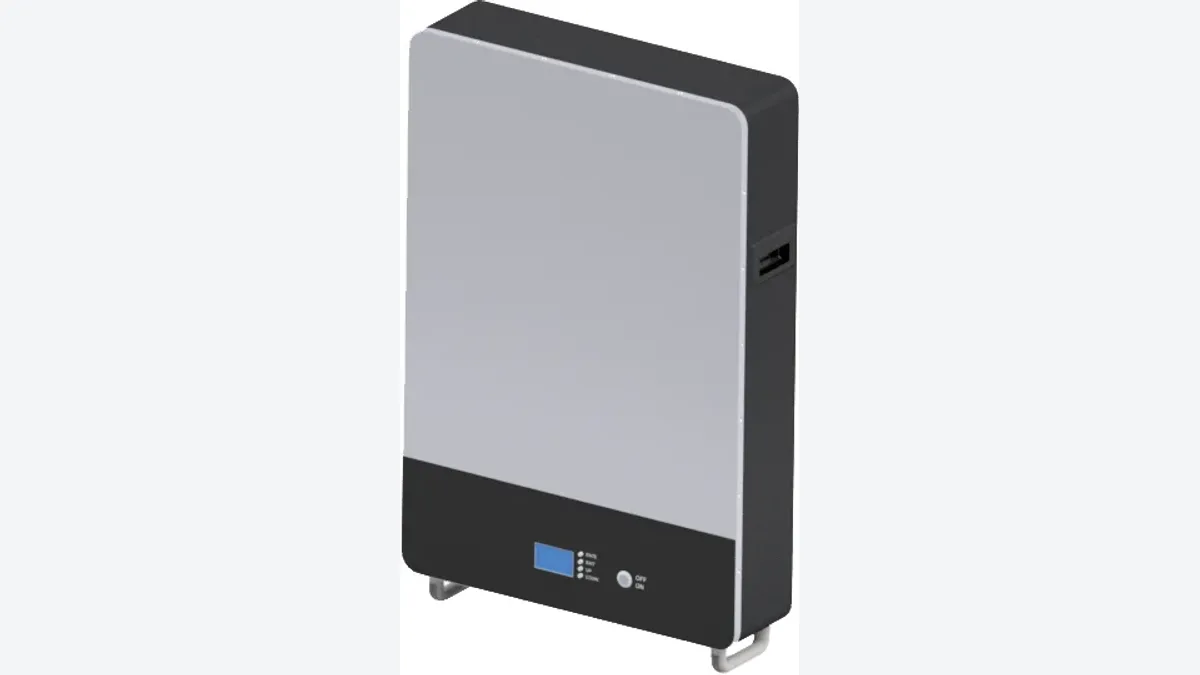
How to Read a Portable Power Station Spec
Every portable power station lists two numbers, and confusing them is the most common buying mistake. Battery capacity is measured in watt-hours (Wh) — how much energy the unit stores. Inverter output is measured in watts (W) — how much power it can deliver at once. A 1,000Wh station with a 1,000W inverter can run a 100W device for about 8-9 hours, or a 1,000W appliance for under an hour. Both numbers matter, but they answer different questions.
Sizing by Use Case
| Use Case | Recommended Capacity | Inverter Output | Notes |
|---|---|---|---|
| Phone, tablet, lights overnight | 200-500Wh | 300W | Weekend camping, light field work |
| Camping + small appliances | 500-1,000Wh | 500-1,000W | Mini fridge, CPAP, power tools |
| Home backup (essential loads) | 1,000-2,000Wh | 1,000-2,000W | Router, TV, fridge, lights |
| Field operations / events | 2,000Wh+ | 2,000-3,000W | Outdoor markets, film crews, medical |
Inverter Watts vs Battery Capacity
Match the inverter to your largest appliance, and match the capacity to your total nightly usage. A pure sine wave inverter is essential if you power induction motors (refrigerators, fans, small tools) — modified sine wave can damage them or make them hum. Check the continuous wattage rating, not just the peak rating: a unit may advertise 2,000W peak but only 1,500W continuous.
Solar Charging & Solar Panels
Most modern stations accept solar panel input, which turns them into true solar generators. Check the maximum solar input wattage and the MPPT charge controller — a station that accepts 200W of panels will recharge far faster on a sunny day than one capped at 100W. For a completely off-grid setup, size the solar panels to roughly 1.5-2x the station capacity so a full recharge fits in one good day of sun. Many buyers start with the station and add foldable solar panels later — that works, but buying them together is cheaper.
Checklist Before Buying
Before you order: confirm battery chemistry (LiFePO4 preferred — 4,000+ cycles and safe in a vehicle or tent), pure sine wave output, enough AC outlets plus USB-A and USB-C PD, solar input support with MPPT, and UN38.3 certification if you plan to fly with it. For capacity, buy at least 20-30% more than your calculated need — batteries degrade and your usage grows. Browse our portable power station range or send us your appliance list for a free sizing recommendation.
Real-World Power Draw Reference
To size correctly you need realistic power numbers, not guesses. Phones draw 10-20W while charging, a 15-inch laptop 45-65W, a mini fridge 50-80W running (compressor cycles), a CPAP machine 30-60W, a 43-inch TV 70-90W, an electric blanket 60-100W, a kettle 1,000-1,500W, a rice cooker 600-900W, and a window AC unit 800-1,500W. Motors and compressors also draw a start-up surge of 2-3 times their running power for a second or two — that is why the inverter rating must cover the largest appliance with margin, not just its steady draw. Write down every device you plan to run, multiply each by your hours of use, add 20-30% margin, and you have your capacity target.
Charging Time and Solar Recharge Expectations
Charging speed matters more than people expect. A 1,000WH station charges from a wall outlet in roughly 2-3 hours at 400-500W input, but from solar panels it depends entirely on the panel wattage and sunlight: a 200W panel in good sun delivers about 150-170W average over the day, so a full 1,000WH recharge takes 6-8 hours of daylight. This is why the maximum solar input rating of the station matters — a station accepting 400W of panels can recharge in one good day, while a station capped at 100W takes three. For continuous off-grid use, plan solar input at roughly 1.5-2 times the station capacity and carry a spare panel connection cable; they are the first thing to wear out.
Buying from a Factory vs a Retail Brand
Retail brands market heavily and charge for it; the hardware often comes from the same Chinese factories. Buying factory-direct as a business, distributor, or project buyer gets you the same LiFePO4 cells and pure sine wave inverters at the factory price, plus OEM options — your logo, your packaging, your instruction manual, even your voltage configuration. The trade-offs: retail gives you local warranty service and instant availability; factory-direct gives you a better price and custom configuration, with warranty handled by the manufacturer directly. For individuals, retail is usually fine. For anyone buying in quantity or for resale, factory-direct with a written warranty contract is the standard professional move.
Storage and Long-Term Care
Portable power stations degrade fastest when stored at extremes. Store at 40-60% charge in a dry place below 30 degrees C, away from direct sunlight; do not store fully charged for months, and do not store empty either — a deep discharge can trigger the BMS protection lockout. Recharge every 3-4 months during long storage. Keep the solar input port covered when unused, and check the cooling fan intake for dust before heavy summer use. With LiFePO4 chemistry and reasonable care, a station keeps 80% of its capacity well past 2,000 cycles — the unit outlives most of the accessories sold with it.